This project demonstrates how lightweight Fibre Reinforced Polymer (FRP) infrastructure is transforming overhead line construction in challenging environments.

Follow the installation of 13 fully composite H-frame structures in Dome Valley, New Zealand, and discover how prefabrication, helicopter installation and a complete FRP pole and crossarm solution enabled faster construction, improved safety and reduced whole-of-life costs for a remote electricity network.
Watch the case study

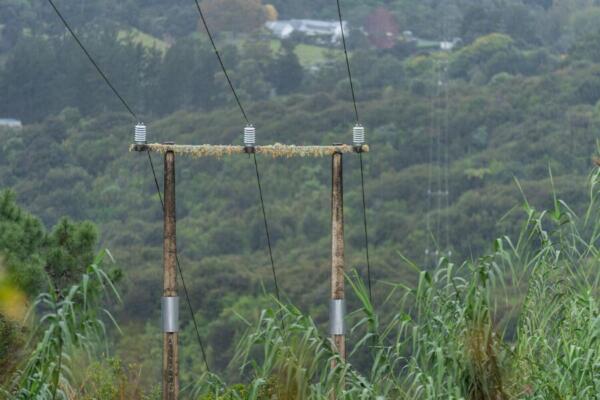
Discover how 13 fully composite H-frame structures were installed in the challenging terrain of Dome Valley, New Zealand.

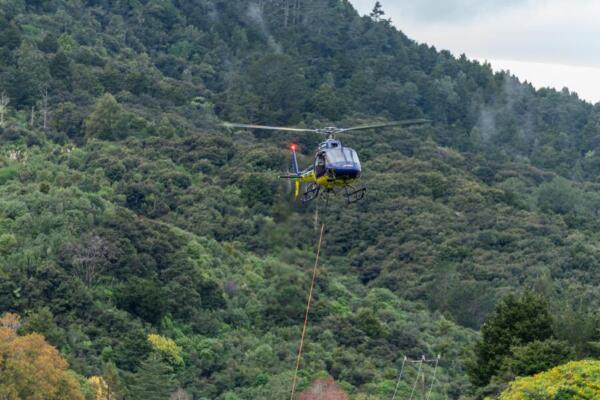
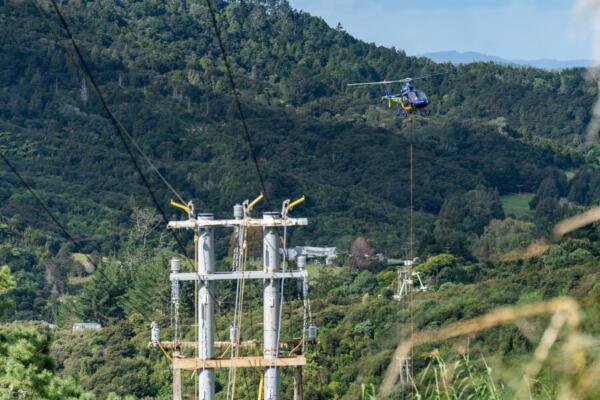
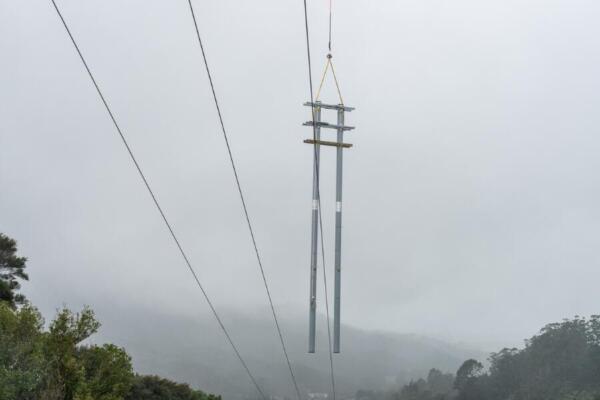
This case study demonstrates how Fibre Reinforced Polymer (FRP) utility poles and composite crossarms enabled complete H-frame assemblies to be prefabricated and flown into position by helicopter, providing a faster, safer and more efficient approach to overhead line construction in difficult-to-access locations.

A different approach to remote line construction

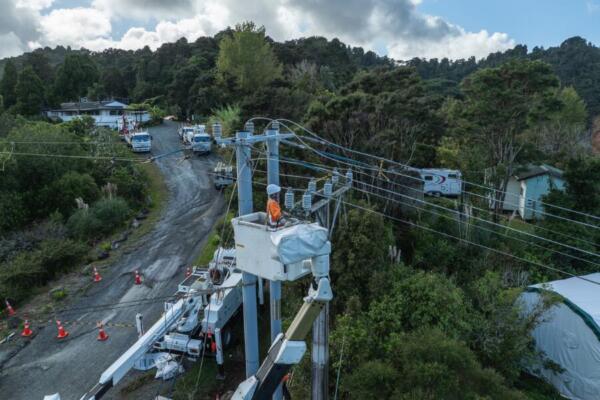
For network operators, constructing overhead lines in remote or environmentally sensitive areas presents ongoing challenges. Difficult access, steep terrain and limited working space can increase programme durations, installation costs and safety risks.

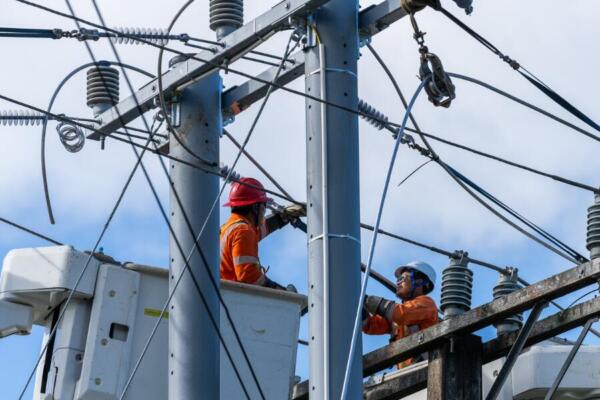
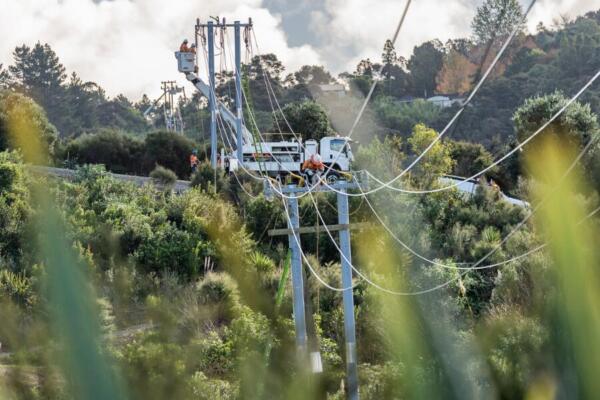
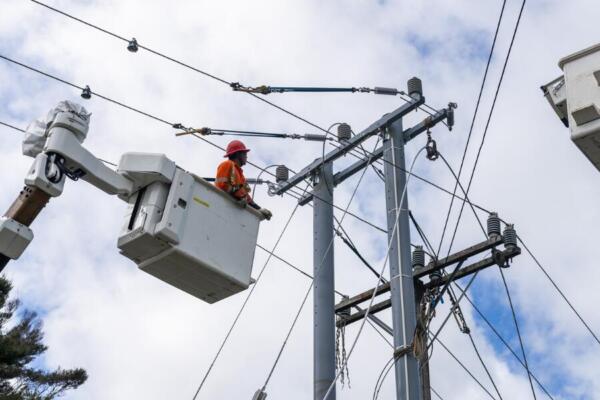
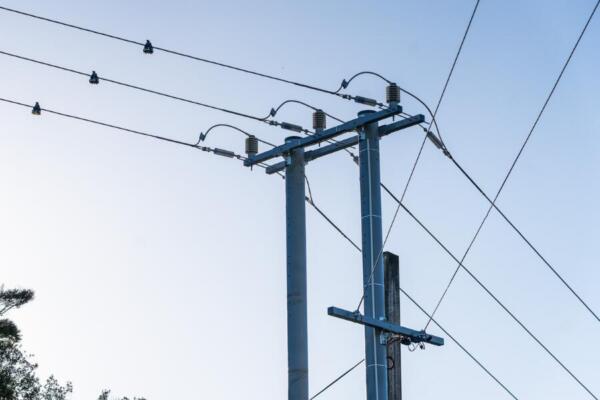
Located north of Auckland, the Dome Valley project required a construction methodology capable of overcoming these constraints. By utilising Wagners Composite Fibre Technologies’ (CFT) lightweight FRP utility poles and composite crossarms, the project team successfully installed 13 H-frame structures using a fully composite solution that significantly simplified the construction process.

Lightweight infrastructure that improves installation

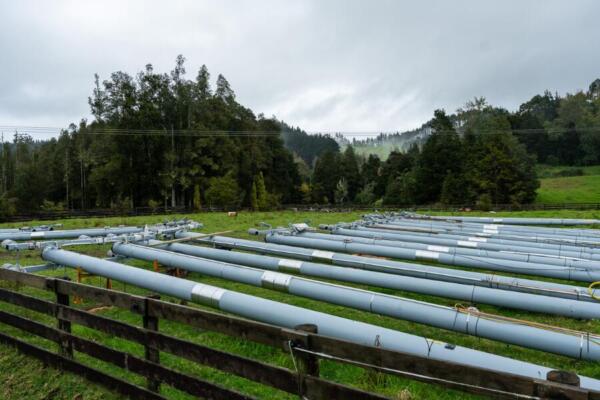
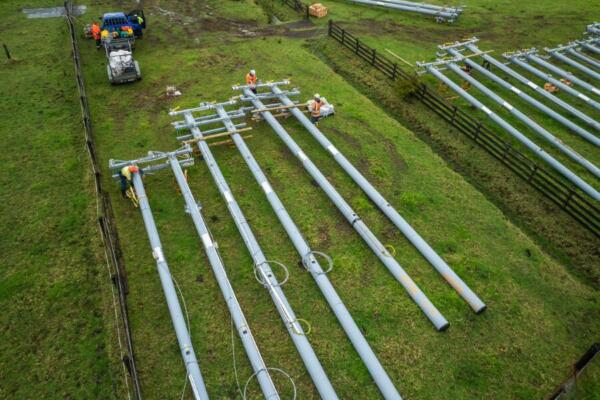
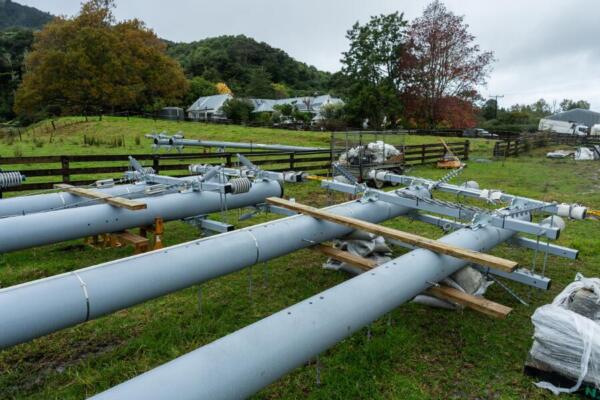
The low weight of FRP made it possible to fully assemble each H-frame before installation. Factory pre-drilled poles and composite crossarms allowed hardware to be installed and inspected in a controlled laydown area before the complete structures were transported by helicopter.

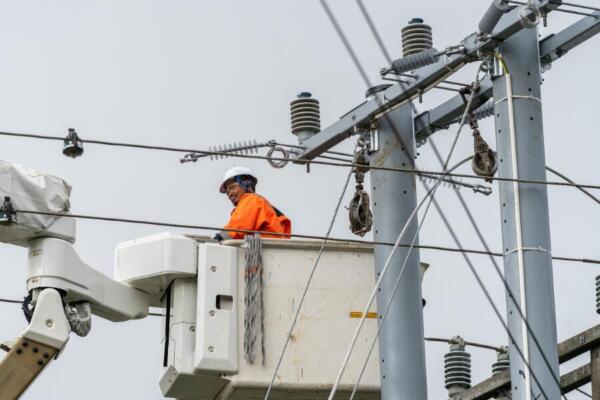
With each assembled H-frame weighing well within the helicopter’s lifting capacity, entire structures were installed in a single lift. This reduced the need for work at height, minimised time on site and improved installation efficiency while reducing risk to construction crews.

A fully composite H-frame solution

The Dome Valley project is believed to be the first deployment of FRP utility poles paired with composite crossarms in an H-frame configuration across Australia and New Zealand.

By combining composite poles and crossarms into a single structural system, the project delivered a consistent long-life solution offering corrosion resistance, excellent durability and minimal maintenance requirements. Designed for an 80-year service life, the complete FRP structure helps reduce future maintenance interventions, replacement costs and operational disruption, particularly in locations where access remains challenging throughout the asset’s life.

Helping utilities build more resilient networks

As electricity networks continue to expand and modernise, utilities are seeking construction methods that improve safety, reduce programme durations and lower whole-of-life costs.

The Dome Valley installation demonstrates how lightweight composite infrastructure can transform the way overhead line projects are delivered. By enabling greater prefabrication, reducing on-site activities and simplifying installation in difficult terrain, FRP utility structures offer a practical solution for building more resilient, efficient and sustainable electricity networks.

Dome Valley FRP H-Frame Project

View in Google Map