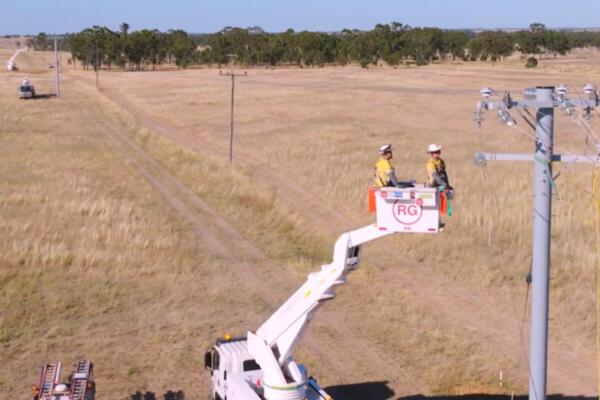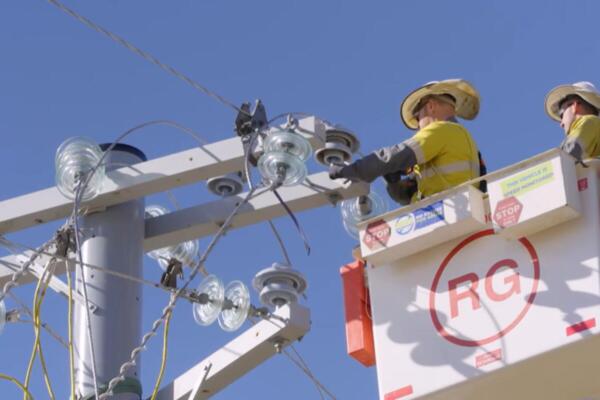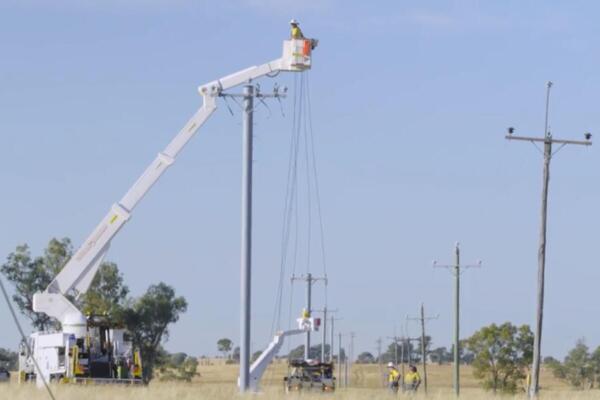
As electricity networks across the UK, Europe and Ireland consider the future of utility pole materials, one of the most valuable sources of information comes from utilities already deploying FRP utility poles in operational networks. The Roma–Injune line project in Queensland, Australia, provides an opportunity to learn directly from Energy Queensland’s experience introducing composite utility poles into a live electricity distribution network. Featuring insights from Chief Engineer Suzanne Shipp and Lineman and Work Group Leader, Jeremy Thomas, this project demonstrates the practical considerations involved in selecting, installing and managing FRP utility poles as part of a modern network.
Learning from Australia’s transition to FRP utility poles
The challenge
Electricity networks around the world are facing increasing pressure to improve resilience while reducing long-term maintenance requirements and whole-of-life costs.
Traditional utility pole materials continue to perform an important role, however utilities are increasingly evaluating alternative materials capable of delivering predictable long-term performance, corrosion resistance, improved safety and reduced maintenance across diverse operating environments.
Like many network operators globally, Energy Queensland is assessing how advanced composite materials can support future network requirements.
The solution
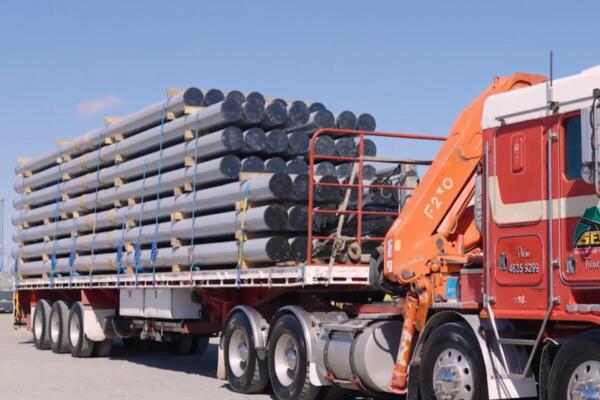
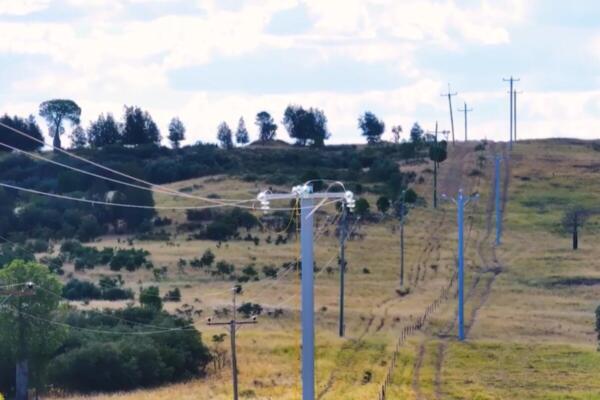
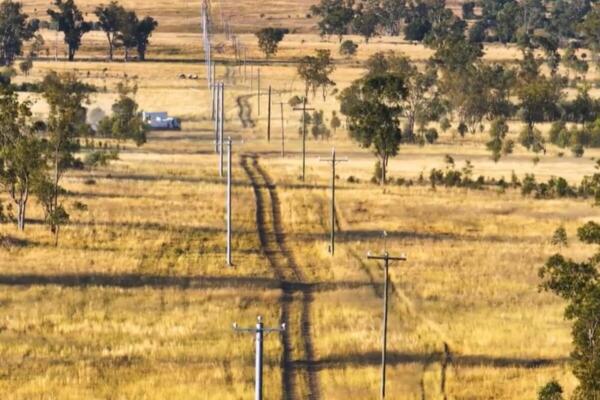
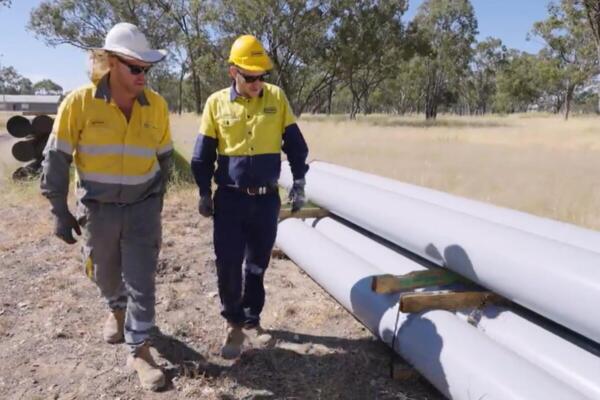
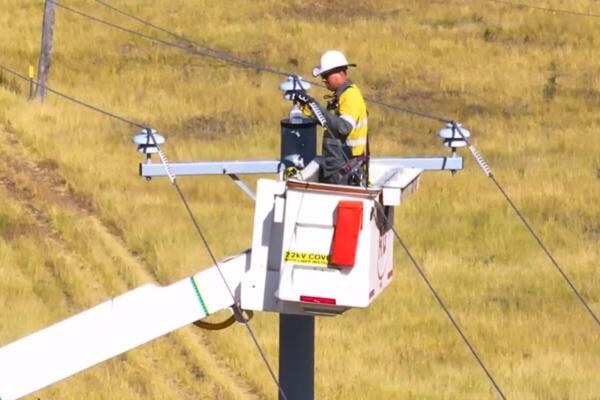
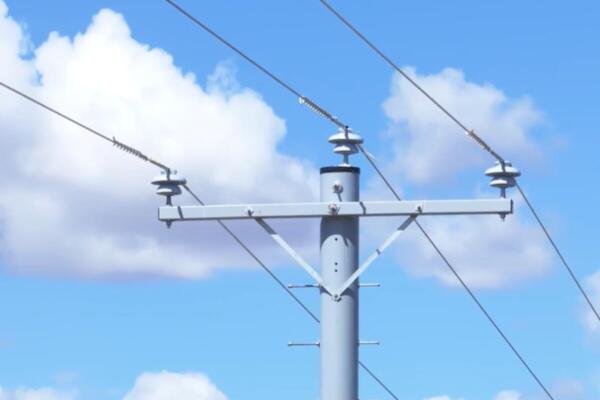
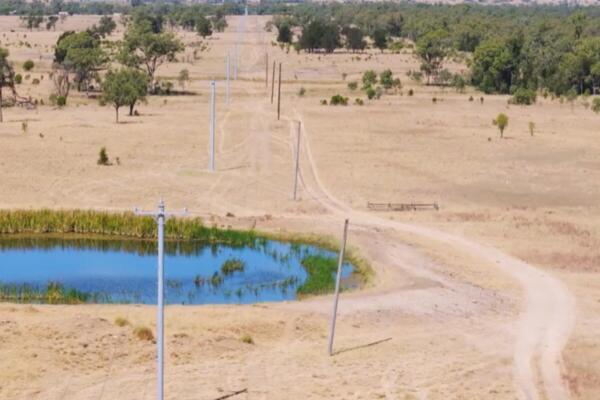
The Roma–Injune line project incorporated Wagners FRP utility poles within a live distribution network, allowing Energy Queensland to evaluate both installation practices and operational performance.
The project provided valuable experience across several areas, including:
- Installation and field handling
- Construction practices
- Crew familiarity and training
- Asset performance expectations
- Material selection considerations
- Long-term network resilience
Rather than relying solely on laboratory testing or engineering analysis, the project generated practical knowledge from real-world deployment.
Project insights
In the accompanying video, Energy Queensland discusses its experience throughout the project, including:
- Why FRP utility poles were selected
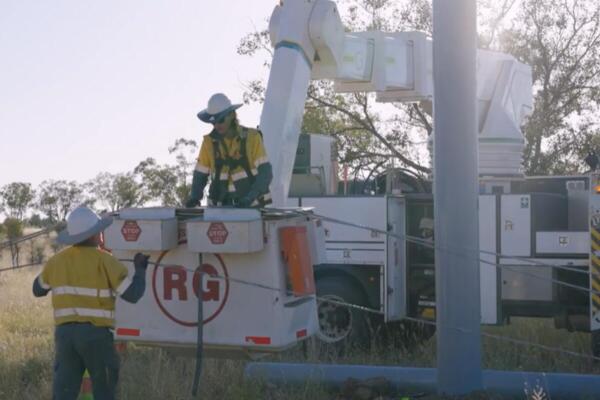
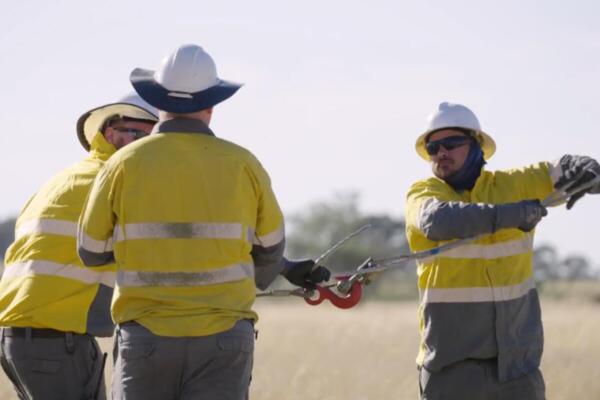
- Installation observations from field crews
- Practical lessons learned during deployment
- Considerations for introducing new materials into existing networks
- The role of composite poles in future network resilience
- Collaboration between utility and manufacturer
These insights provide valuable information for utilities currently evaluating composite utility poles for their own networks.
Why this matters for UK, European and Irish utilities
Every electricity network operates under different environmental, regulatory and operational conditions. However, many of the questions being asked by utilities are remarkably similar:
- How difficult is installation?
- How readily do crews adapt?
- What operational benefits are being realised?
- How will these assets perform over decades?
- What lessons have early adopters learned?
By sharing Energy Queensland’s experience, this project helps move the conversation beyond theoretical discussions and into practical asset management.
Building confidence through operational experience
Around the world, electricity networks are progressively evaluating FRP utility poles as part of their long-term asset strategies.
Projects such as the Roma–Injune line demonstrate the value of learning from utilities that have already begun that journey.
For asset managers, standards engineers and network planners across the UK, Europe and Ireland, these operational insights provide valuable evidence to support informed decision-making when considering the next generation of utility pole materials.